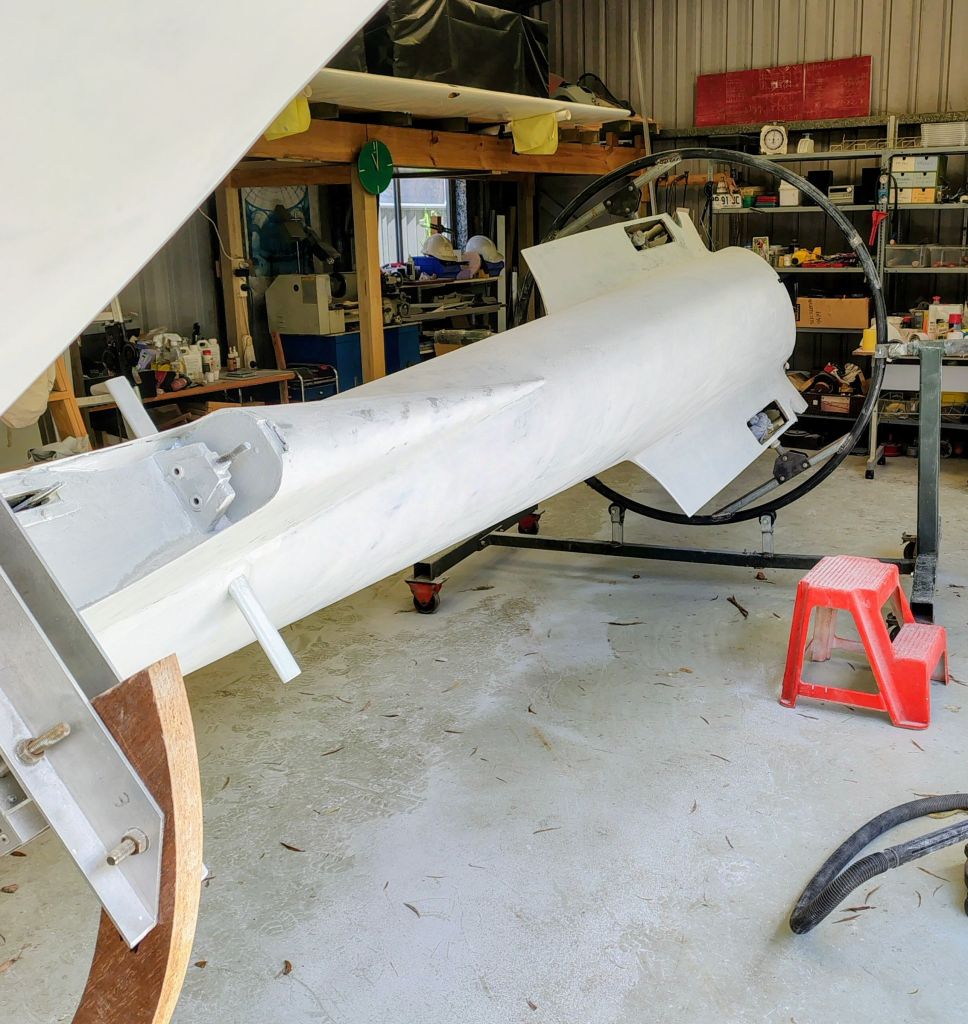
Finished off sanding with 120 grit this morning, only a bit of 240 to go (about 1/3 of fuselage), except for horizontal stabiliser.
Then took out the rudder cable pulleys from the rear cockpit. As expected, they washed out with WD40 and run like new. It is confirmed that they are factory originals from 1977, they have Poland 626 stamped on the bearings. 626 is a standard DIN bearing 19mm OD, 6mm bore and 6mm wide, easy to source if ever required. The pulley grooves show some wear (what a surprise after 48 years!), which chiefly seems to originate from the cable being “trapped” in one spot, i.e. the cable left an imprint in the bottom of the groove, there not being any relative motion between cable and pulley for a long time. So I’ll make sure when re-installing that the cable is positioned opposite to where the wear marks are.
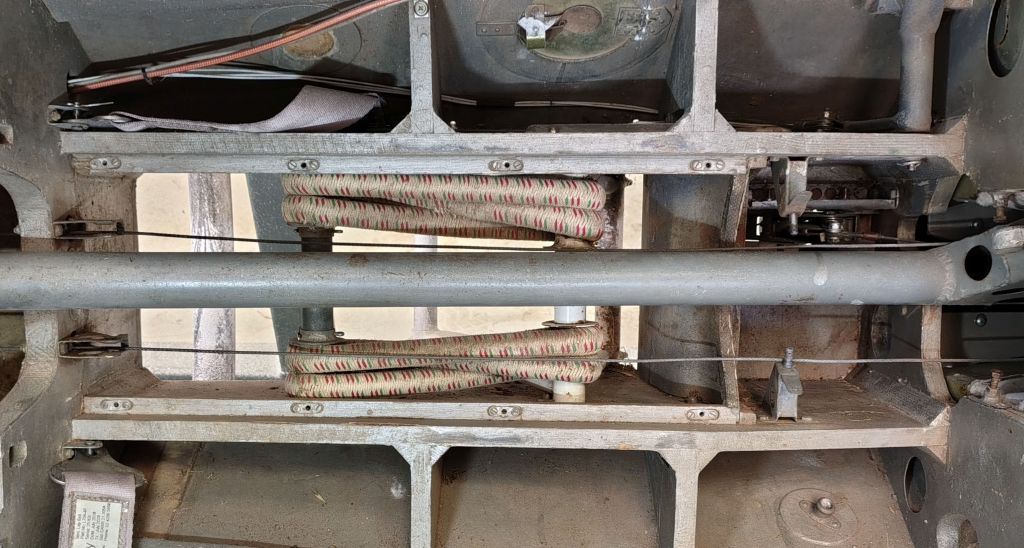
I removed the cover plate over the wheel wellwhich was made possible after the pulleys were removed.
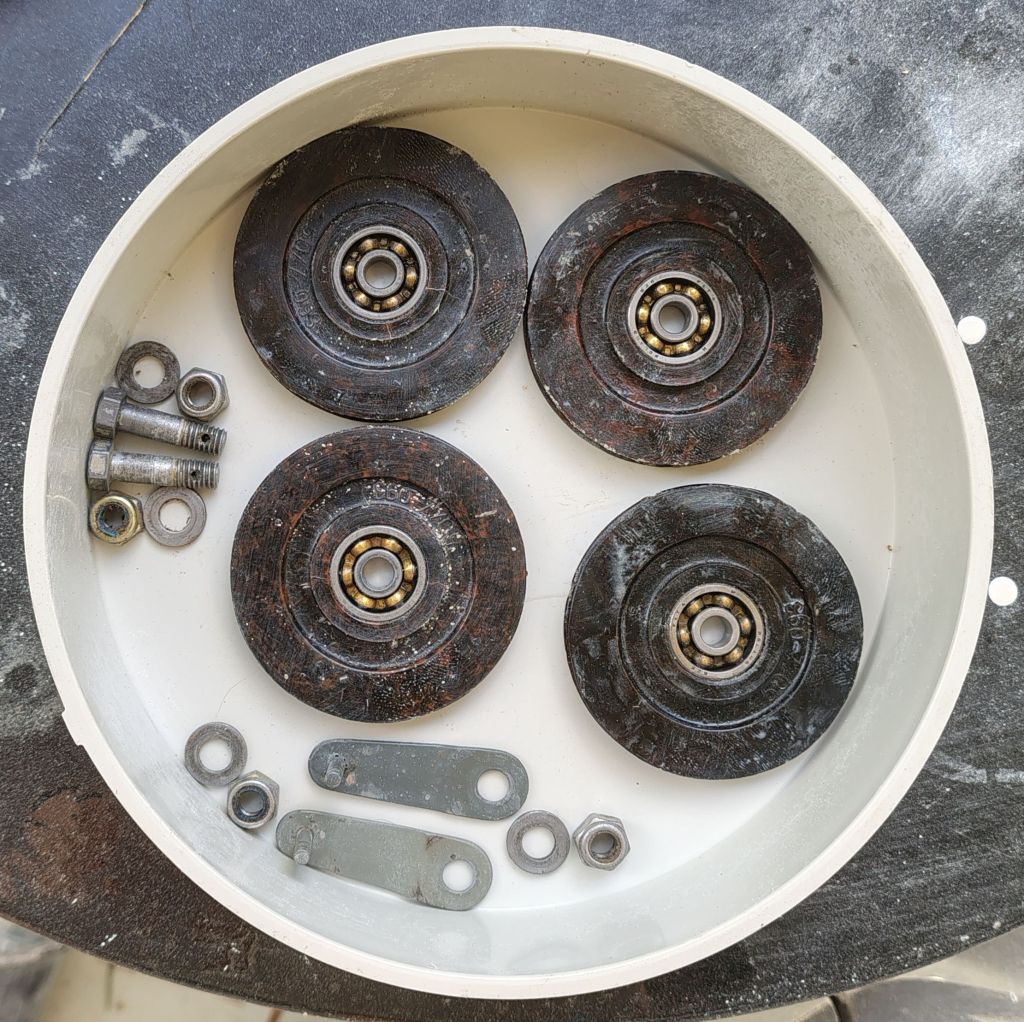
Not sure why they didn’t use sealed bearings for the pulleys – maybe something to do with Poland being part of the Soviet block back then?
This brought into focus another issue which might cause a few headaches further down the track: metric bolts.
All the references such as BSE and verbal advice from various people suggests that one simply buys “good quality metric high tensile bolts, Grade 8.8.or better. This has bothered me for a while. When building the Aventura seaplane (kit from the USA), all bolting was to AN standard. One of the benefits of this system is the abilty to select bolt shank lengths in 1/8” increments, and a thread length which is just right for a washer, a nut and maybe 4 or 5 threads sticking out.
The metric bolts available here are nothing like that. The thread length in relation to shank length is often much too long, necessitating cutting the thread to suit.
But that’s only one part of the problem. The bolts used by glider manufacturers in Europe are often LN (Luftfahrt-Norm). That standard has a shank diameter just slightly below nominal, e.g M6 would have a shank dia of 5.95mm. These are the bolts used for e.g. hinge bolts and pulley spindles. The normal DIN high tensile bolts available here have much smaller shank diameters (e.g.for M6 shank = 5.85mm). So if a normal bolt is substituted there would be increased clearance which may not be desirable or acceptable.
We will be vigilant to this and try to reuse original bolts whenever possible.
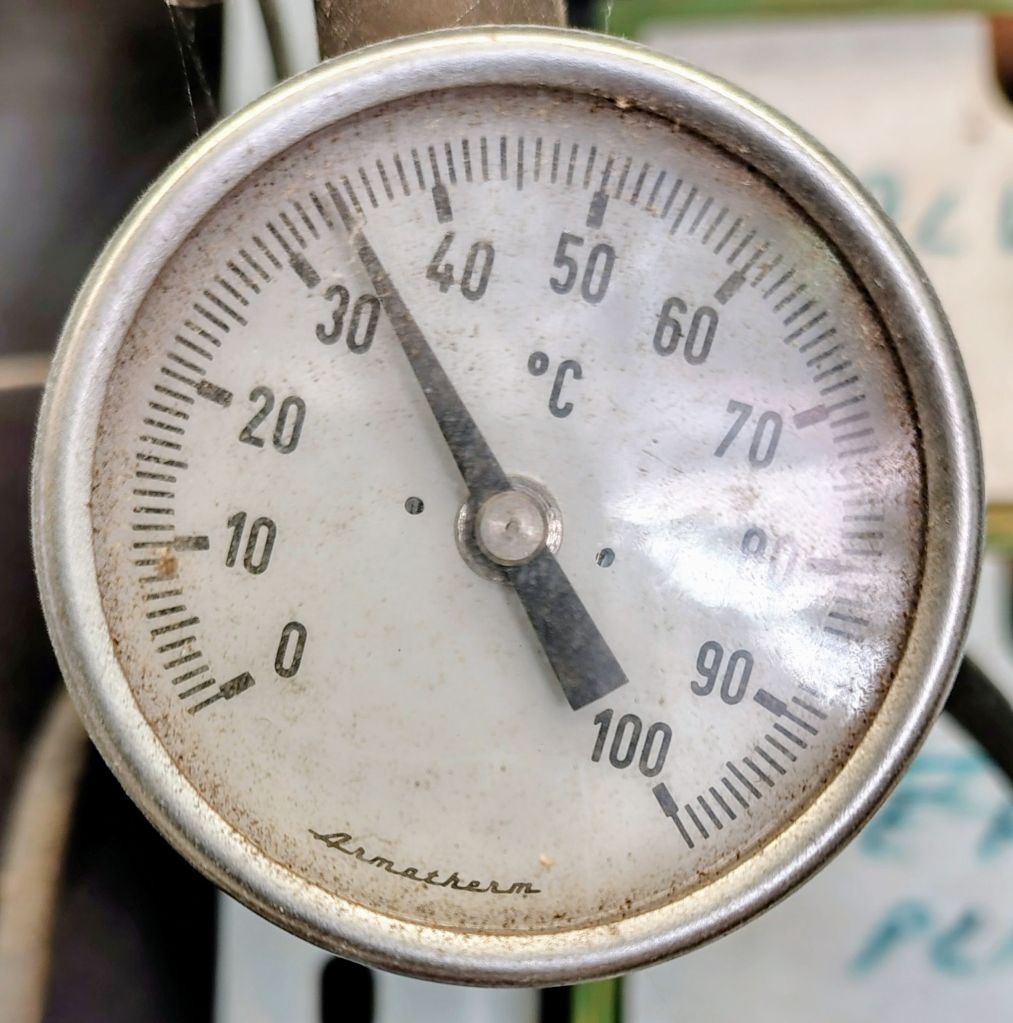
The temp in the shed got up to 34 deg, and still going up I think it’s time to quit!
 BOCIAN FLYERS
Leave a comment